The Okavango Delta has a rather curious way of doing things. While the rest of Botswana dries out during winter, floodwaters from the Angolan highlands arrive to fill its channels, spill across grasslands and turn stretches of the Kalahari into a vast wetland. And here's the peculiar part: none of it ever reaches the sea. Instead, it spreads across northern Botswana into a maze of lagoons, floodplains, papyrus beds and islands. The result? One of Africa's most spectacular wildlife habitats.
Okavango Delta Highlights
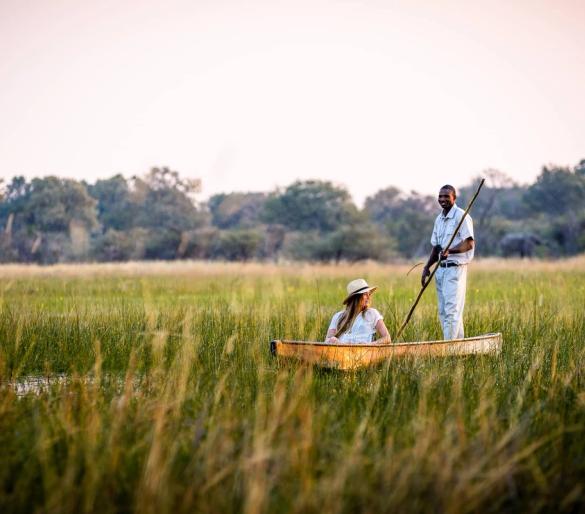
- Traditional mokoro safaris through shallow channels and papyrus beds
- Elephant, buffalo, big cats and African wild dogs across varied wildlife habitats
- Permanent waterways, seasonal floodplains and dry islands within a UNESCO World Heritage Site
- Private concessions offering flexible safari activities and intimate camps
- Scenic flights, guided walks and exceptional wetland birdwatching
In Africa, It's Not About What You Know, But Who You Know.
We've partnered with the best to ensure you get front row seats at the best possible price.
Luxury Lodges in Okavango Delta
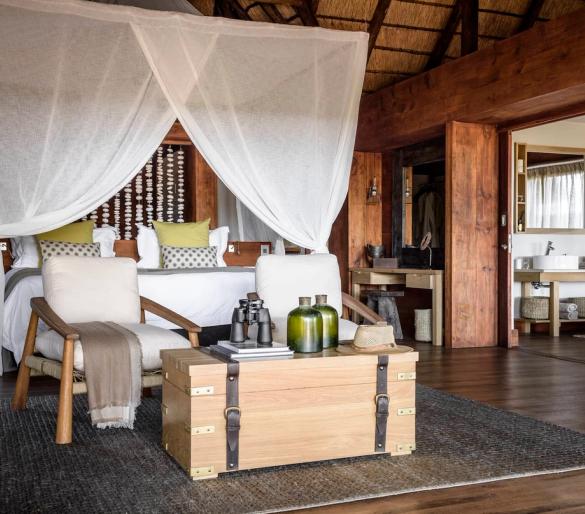
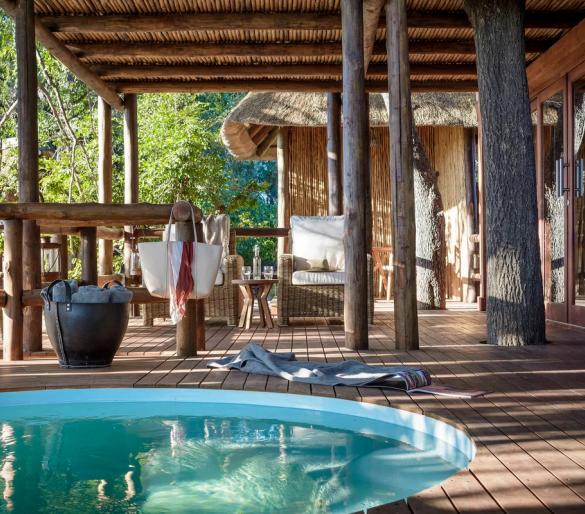
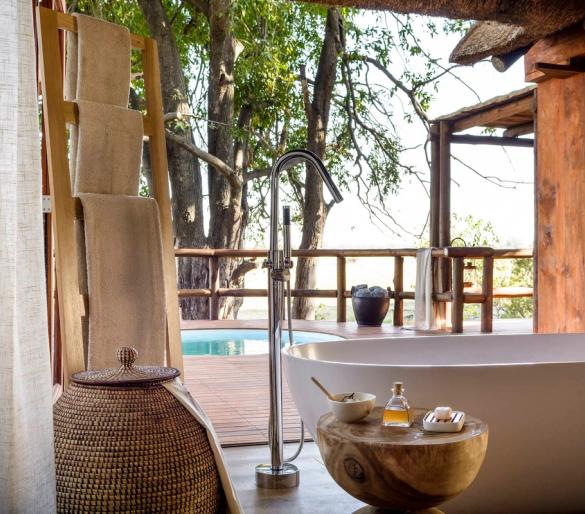
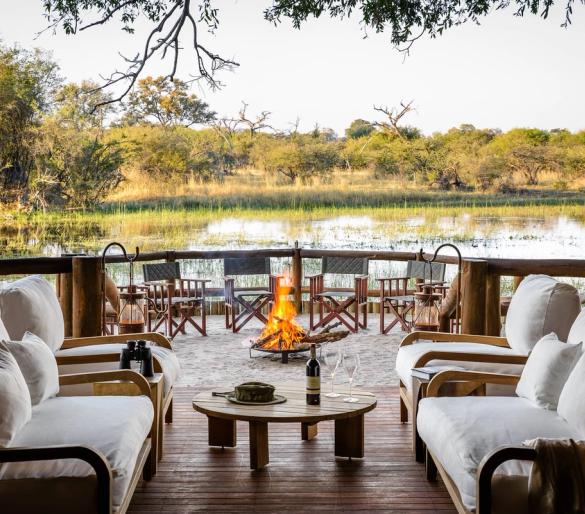
From luxurious tented camps to exclusive locations, the Okavango Delta offers world-class accommodation options. Our Travel Experts will be able to help you choose.
Item 1 of 5
Property of the month
Chief's Camp, an A&K Sanctuary
At the centre of everything wild
View the propertyFrequently Asked Questions
We've taken the liberty to answer everything you may need to know about visiting the Okavango Delta.
The Okavango Delta lies in north-western Botswana, where the Okavango River spreads across the Kalahari Basin instead of flowing towards the sea. It forms an extensive wetland of permanent swamps, seasonal floodplains, channels and islands.
Most luxury safari camps are reached by light aircraft from Maun, although routes via Kasane are also possible.
The Okavango's main flood originates from rainfall in the Angolan highlands, travelling south over several months before reaching Botswana.
Floodwaters generally begin spreading through northern parts of the Delta during autumn, with extensive flooding across many areas during the dry winter months, particularly June to August. Timing and water levels vary each year.
One important distinction: the Delta's annual flood is different from Botswana's local summer rains, which generally fall between November and March.
Yes, at certain camps with reliable access to permanent waterways. But mokoro excursions aren't available everywhere in the Delta throughout the year.
In areas dependent on seasonal flooding, excursions may only operate when channels are sufficiently full. Water levels, weather and safety conditions also influence availability.
If a mokoro safari is a priority, we'll recommend camps where the experience is most realistic for your dates. Being located in the Okavango Delta doesn't automatically mean a camp offers water activities.
A mokoro is a traditional dugout canoe poled by hand through shallow channels, quiet and close to the water, while a motorised boat safari covers greater distances on deeper channels and lagoons. Both depend on water levels, and many camps offer them at different points in the season.
Yes. The Okavango Delta supports elephant, buffalo, lion, leopard and rhinoceros, although rhino sightings are much more rare than sightings of the other four.
The area is also known for African wild dogs, hippos, crocodiles, giraffes and antelope, including the wetland-adapted red lechwe.
For the best wildlife experience, we'd focus on choosing a productive game-viewing area rather than expecting every Big 5 species to appear during a single stay.
Moremi Game Reserve protects part of the eastern Okavango Delta and is particularly rewarding for game drives through woodland, grassland, floodplains and lagoon country.
The wider Delta also includes private safari concessions, which operate under different agreements. Many allow additional activities such as night drives, off-road wildlife viewing and guided walks, depending on their individual permissions.
Moremi and a neighbouring concession can make an excellent combination, particularly if you'd like contrasting habitats and different ways of exploring the bush.
The Okavango Delta is among Africa's more expensive safari destinations, particularly at remote, small-scale luxury camps.
Accommodation, guiding, meals, selected drinks and safari activities are commonly included in camp rates, but the arrangements differ between properties. Light-aircraft transfers, conservation fees, private vehicles and additional activities can all influence the final cost.
It's worth comparing complete itineraries rather than nightly accommodation rates alone. Our Travel Experts will prepare a quote based on your travel dates, preferred camps and the experiences you want included.
Yes, provided the right camps and activities are chosen.
Some properties offer family suites, private safari vehicles and child-friendly activities, while others have minimum-age restrictions. Guided walks, mokoro excursions and certain boating activities may have additional age requirements.
We'll consider the children's ages, daily activity schedules, transfer times and accommodation arrangements before recommending a camp. That way, everyone has something to look forward to, and parents aren't left discovering the restrictions after they've booked.
Yes. The Okavango Delta is a malaria-risk area, and appropriate precautions are important.
Speak to your doctor or a travel-health clinic well before departure about malaria prevention, any recommended medication and mosquito protection. Advice should be based on your personal medical history and itinerary.
Book as early as you comfortably can. For travel between June and September, planning nine to 12 months ahead is sensible, particularly if you have specific camps, family accommodation or private activities in mind.
Many Delta camps accommodate relatively few guests, so availability can become limited during popular months.
Early planning also gives us more freedom to select camps according to their location, wildlife and activities, rather than narrowing the itinerary to whichever rooms are left.
Absolutely. The Delta combines particularly well with Chobe National Park and the Linyanti, where riverfront wildlife viewing and varied habitats add another dimension to a Botswana safari.
Victoria Falls is also a popular addition, bringing the Zambezi River and one of Africa's best-known natural landmarks into the itinerary.
We'd choose the combination according to your travel dates, interests and how much time you have. The aim is to experience genuinely different parts of southern Africa while keeping the journey comfortable.